We spend one third of our lives in a state of sleep (unconscious existence), which is referred to as a natural mechanism for restoring energy and giving our bodies much-needed rest at night. As we get older, the duration of such rest tends to become more and more prolonged in order to maintain our vital functions at an appropriate rate as we age. But what about the subconscious side of brain activity? Does it go through a completely different set of transformations compared to the young age and how do symbolic visions change over the span of our life?
 Undeniably, during the younger formative years, when the very foundation of memory and cognition is shaped, our subconscious reflections capture a great variety of new imagery, visual and sensory aspects of the everyday life. No wonder, adolescents experience very diverse, if not chaotic dream visions comprised of interwoven symbolic elements accumulated during the wake hours. It would probably be a complicated task for a young person to sort out distinct and discernible visions contained in their dreams in order to interpret them in a meaningful way. The exploratory nature of human mind causes us to retain important moments of our lives, but in a very erratic and disorderly way, so their analysis as far as dream interpretation is concerned, becomes difficult, if not impossible altogether. At this stage we could draw an analogy of subconscious brain activity resembling a computer file system which is being constantly updated without a whole lot of sorting and categorizing of the individual files within that system.
 As we age, we gain more experience and start to separate discrete events in our “file system” into more stable and recognizable elements, which are often compiled, coded and stored based on their importance to us. Over the span of our lives, we increasingly attribute more significance to some events while forgetting or even completely ignoring those that seem mundane and unworthy of remembering to us. Figuratively speaking, the subconscious retention at this stage could probably be compared to an old vinyl record etched with certain well-defined and vivid symbolic visions coming alive during our sleep and leaving lasting recollections long after we wake up and go on with the conscious existence.
Therefore, it is clear that only discrete and isolated symbolic dream visions become more profound and prominent as we go through the process of maturation. And the biggest questions for any dreamer who is experiencing these recurring symbols and visions later in life are why do some certain symbolic dream elements take over less important ones and how could they be interpreted in a meaningful way, since they were “distilled” by the memory and recorded as distinct marks in our subconsciousness.
Would it be fair to say that older people are capable of finding and identifying much more relevant meanings for the dreams they experience because the “search terms” of their inquiries are considerably narrower, more precise and more defined? Does the number of years lived matter in symbolic dream interpretation just because our long life experience helped us keep only the most memorable life moments and important milestones retained as symbols and visions of our dreams?
 Crows, for their part, have a notorious reputation for and are widely considered as bearers of trouble. Their presence in dreams is frequently a foreboding. Their color, menacing appearance and the fact that they are scavengers conjure up morbid images of suffering, disease and death. However, many sources of mythology and
 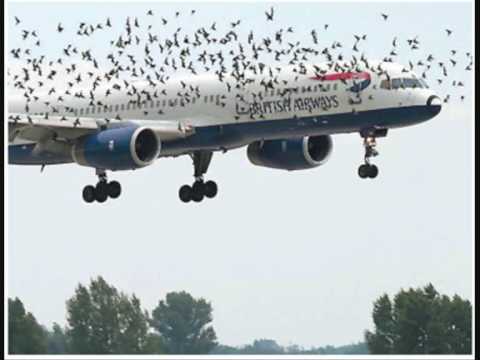 When birds attack you in dreams, this vision could represent your fear of other people’s ideas and opinions. It also signifies that you are afraid to subscribe to, or at least have an open mind towards, other ideals, beliefs and ideologies. Moreover, this dream vision can represent an inner spiritual battle, as you may be assailed by a barrage of spiritual truths that could muddle your judgment and leave you more confused about what you truly believe in. In a quite literal sense, being attacked by birds could mean experiencing verbal abuse from others in real life.
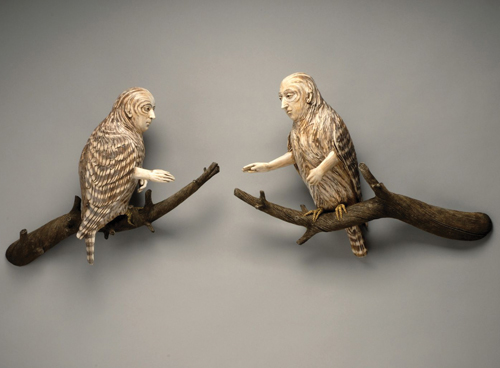 If you happen to dream that you are having a conversation with a talking bird, both positive and negative interpretations can be gleaned from this experience. First, it could mean being on the verge of success with your current project or undertaking. On the other hand, it indicates a problem in communication, a language barrier, a point or idea “lost in translation.” This is particularly true when the bird in the dream is either indifferent or unresponsive. There are dreams in which characters appear with strange features combining human bodies and bird heads. What could dreams about these strange birds mean? Most likely, these chimeric images could be a portrait of a person’s ingenuity and inventive side. These symbolic visions could represent a phase in a dreamer’s life which may hint at an inevitable change or usher his or her complete transformation.